

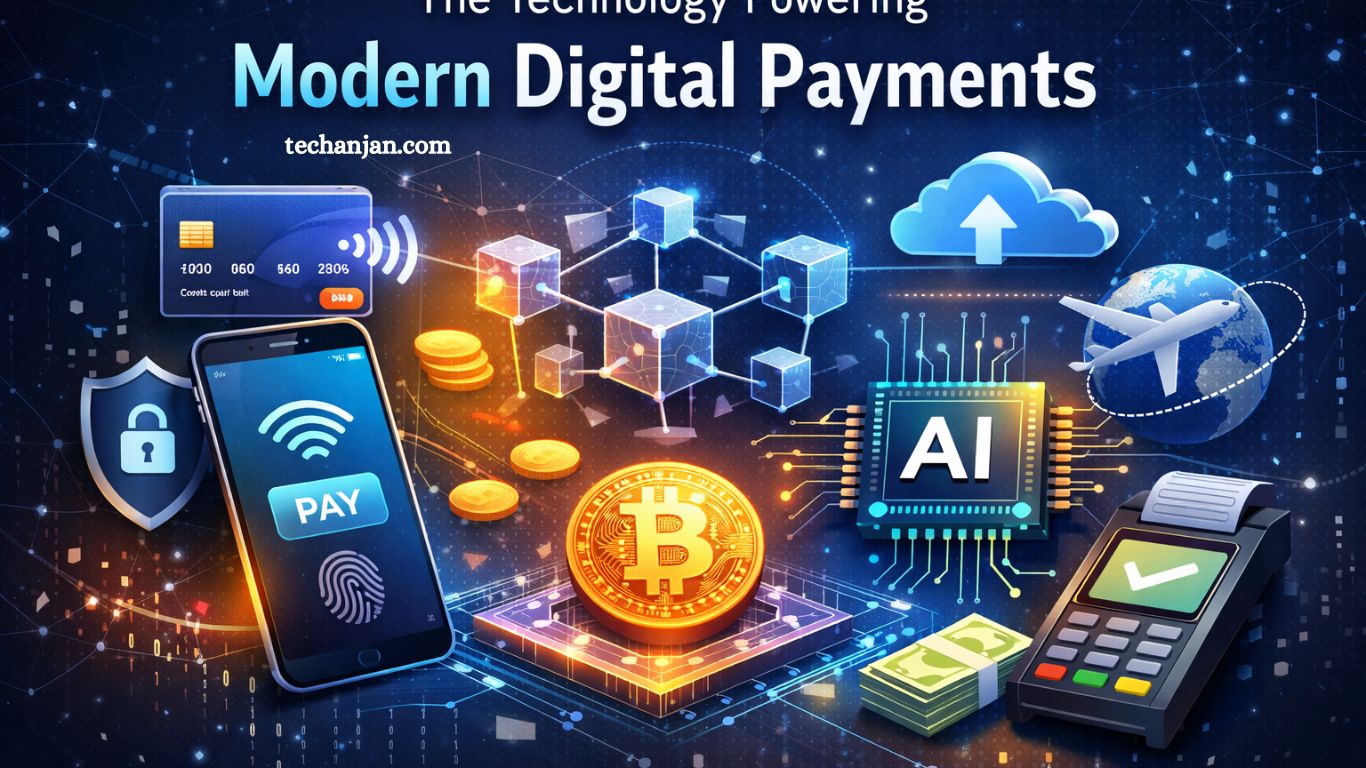
Digital payments have transformed the way businesses and consumers exchange money, offering speed, convenience, and security. At the heart of this transformation lies sophisticated technology that powers modern payment systems, from mobile wallets and contactless cards to online banking and peer-to-peer platforms. These systems rely on advanced infrastructure, including secure networks, encryption protocols, and real-time processing, to ensure seamless transactions.
Understanding the technology behind digital payments is essential for businesses aiming to enhance customer experience and for individuals navigating the evolving financial landscape. As innovation accelerates, the integration of artificial intelligence, blockchain, and cloud computing continues to shape the efficiency, reliability, and security of payments worldwide.
The Rise of Digital Payments
The adoption of digital payments has grown exponentially over the last decade. Consumers are increasingly shifting away from cash and physical cards, embracing mobile wallets, online banking, and contactless payments. Factors driving this shift include:
- Convenience: Transactions can be completed anytime, anywhere, without visiting a bank.
- Speed: Payment processes in real-time or near real-time, enabling instant settlements.
- Security: Advanced encryption and authentication mechanisms reduce fraud risks.
- Integration: Digital payments seamlessly integrate with e-commerce platforms and subscription services.
This growth has created a demand for reliable, scalable, and secure payment infrastructure capable of handling billions of transactions globally.
Read More: Critical Tech Point Plus Review: What Works & What Doesn’t
Core Technologies Behind Digital Payments
Modern digital payments rely on a combination of technologies working together to deliver fast, secure, and reliable transactions. Some of the most critical technologies include:
Payment Gateways
Payment gateways act as the bridge between merchants, banks, and customers. They securely transmit transaction data, verify payment details, and authorize or decline transactions. Popular examples include Stripe, PayPal, and Square. Key functions of payment gateways include:
- Encryption: Protects sensitive information during transmission.
- Fraud Detection: Monitors suspicious patterns and prevents fraudulent transactions.
- Multi-Currency Support: Enables global payments with currency conversion.
Secure Networks and Encryption
Data security is a cornerstone of digital payments. Payment networks, such as VisaNet or Mastercard’s network, use advanced encryption protocols to protect transaction data. Technologies like TLS (Transport Layer Security) and tokenization ensure that sensitive cardholder information is never exposed during transactions. Tokenization replaces actual card details with unique codes, reducing the risk of data breaches.
Mobile Wallets and Contactless Payments
Mobile wallets, such as Apple Pay, Google Wallet, and Samsung Pay, allow users to store payment information securely on their smartphones. Contactless payments use NFC (Near Field Communication) technology to complete transactions without physical contact. Benefits include:
- Faster Checkouts: Tap-and-go payments reduce transaction times.
- Enhanced Security: Dynamic tokens replace card data for each transaction.
- Integration: Supports loyalty programs and digital receipts.
Real-Time Processing
Consumers expect instant payment confirmation. Real-time processing systems, often powered by cloud infrastructure, ensure that transactions are completed within seconds. Instant payment platforms, such as the RTP network in the U.S. or Europe’s SEPA Instant Credit Transfer, enable businesses and individuals to send and receive funds immediately, improving cash flow and customer satisfaction.
Artificial Intelligence and Machine Learning
AI and machine learning are increasingly vital to digital payments. They help detect fraudulent behavior, analyze consumer patterns, and optimize payment experiences. Examples include:
- Fraud Prevention: Machine learning models flag suspicious transactions in real-time.
- Personalized Offers: AI recommends payment options or promotions based on user behavior.
- Operational Efficiency: Automates reconciliation and error detection in large transaction volumes.
Blockchain and Cryptocurrencies
Blockchain technology provides a decentralized, secure ledger for recording transactions. Cryptocurrencies, such as Bitcoin and Ethereum, use blockchain technology for peer-to-peer digital payments without intermediaries. Benefits of blockchain in digital payments include:
- Transparency: Every transaction is recorded and verifiable on the blockchain.
- Security: Decentralized architecture makes tampering nearly impossible.
- Global Reach: Cross-border transactions can occur without the delays of traditional banking.
APIs and Payment Integrations
APIs (Application Programming Interfaces) enable seamless communication between different payment systems, merchants, and third-party services. They allow businesses to integrate multiple payment methods, track transactions, and automate accounting processes. Payment APIs are essential for e-commerce platforms, subscription services, and mobile apps to provide flexible payment options to users.
Security and Compliance in Digital Payments
With the rise of digital transactions, security and regulatory compliance have become critical. Technologies like encryption, tokenization, and biometric authentication help protect sensitive financial data. Payment providers also comply with industry standards and regulations, including:
- PCI DSS (Payment Card Industry Data Security Standard): Ensures secure handling of cardholder information.
- PSD2 (Payment Services Directive 2): Promotes strong customer authentication and secure open banking in Europe.
- AML/KYC Regulations: Prevents money laundering and verifies user identity.
Investing in secure payment infrastructure is not optional; it is essential to maintain trust and prevent costly breaches.
Emerging Trends in Digital Payments
The digital payment landscape continues to evolve rapidly. Some key trends shaping the future include:
- Buy Now, Pay Later (BNPL): Flexible payment options integrated into e-commerce platforms.
- Cross-Border Payments: Simplified international transactions with lower fees and faster processing.
- Voice and Wearable Payments: Payments via smart devices, voice assistants, and wearable tech.
- AI-Powered Personalization: Tailoring payment experiences to individual consumer behavior.
These trends indicate a future where payments are faster, smarter, and more integrated into everyday life.
Benefits for Businesses and Consumers
The technology behind modern digital payments delivers significant benefits for both businesses and consumers:
- For Businesses: Increased sales, reduced cash handling costs, real-time reporting, and better fraud management.
- For Consumers: Convenience, faster transactions, enhanced security, and access to global marketplaces.
Digital payment technology empowers businesses to operate more efficiently while providing consumers with a sseamless, secure financial experience.
Challenges and Considerations
Despite its benefits, digital payments come with challenges:
- Cybersecurity Threats: Constant need to stay ahead of hackers and fraudsters.
- Regulatory Compliance: Adapting to changing laws and cross-border regulations.
- Digital Divide: Not all populations have access to digital devices or internet connectivity.
Businesses must invest in robust security measures, user education, and inclusive payment solutions to overcome these challenges.
Frequently Asked Questions
What are digital payments?
Digital payments are electronic transactions that allow money transfers without cash, using methods like mobile wallets, online banking, and contactless cards.
How do mobile wallets work?
Mobile wallets securely store payment information on smartphones and use technologies like NFC to enable tap-and-go transactions.
What role does AI play in digital payments?
AI detects fraud, analyzes consumer behavior, personalizes payment experiences, and automates transaction monitoring for faster, safer payments.
How secure are online payments?
Modern digital payments use encryption, tokenization, biometric authentication, and secure networks to protect sensitive data from fraud and breaches.
What is blockchain’s role in payments?
Blockchain provides a decentralized, transparent ledger that enables secure peer-to-peer transactions and faster cross-border payments without intermediaries.
What are payment gateways?
Payment gateways act as intermediaries between merchants, banks, and customers, securely authorizing and processing online transactions.
What trends are shaping the future of digital payments?
Emerging trends include Buy Now, Pay Later (BNPL), voice and wearable payments, AI personalization, and instant cross-border transactions.
Conclusion
Modern digital payments are powered by a combination of advanced technologies, including secure payment gateways and encryption protocols, as well as AI, blockchain, and mobile wallets. These innovations make transactions faster, safer, and more convenient for both businesses and consumers. As digital payment systems continue to evolve, emerging trends such as real-time processing, personalized AI-driven experiences, and cross-border solutions will further transform how we pay.
