

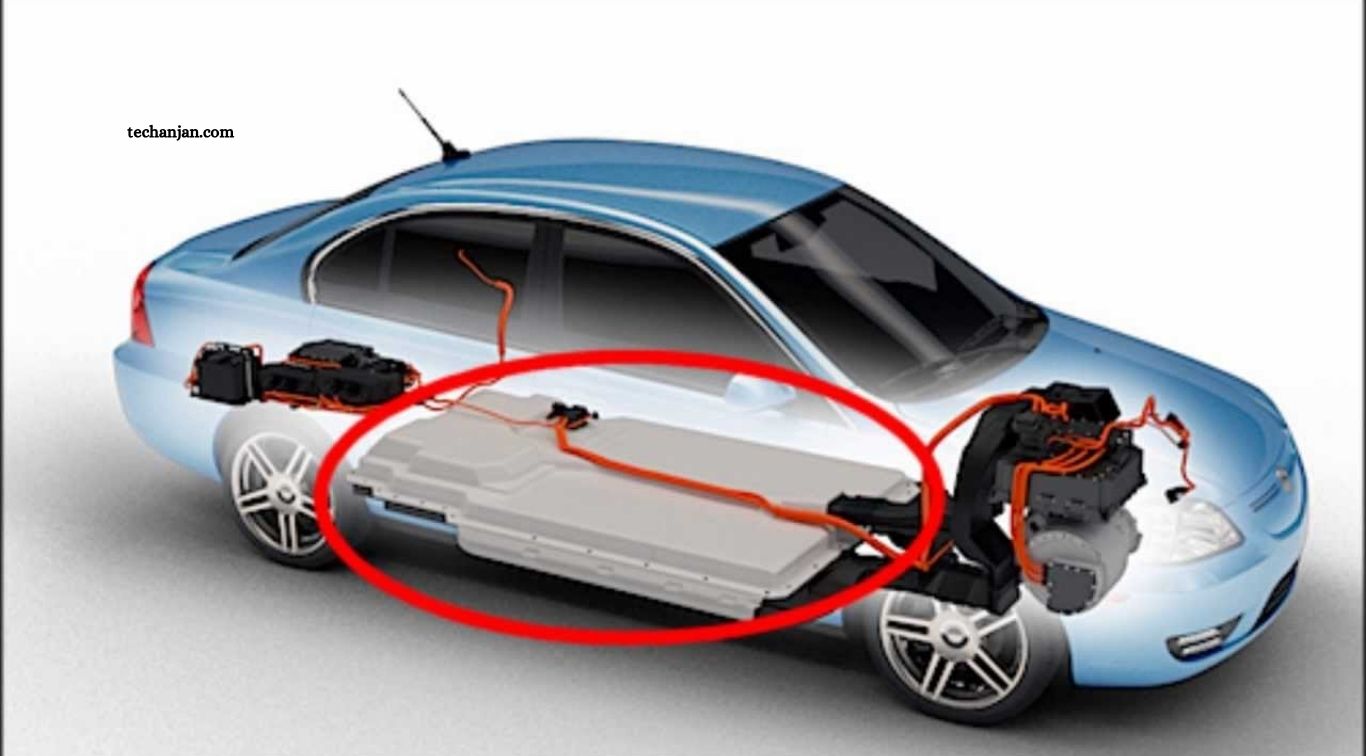
Electric vehicle (EV) technology is transforming the automotive industry by offering a cleaner and more efficient alternative to traditional petrol and diesel vehicles. Electric cars use electricity instead of conventional fuel, helping reduce tailpipe emissions and dependence on fossil fuels.
With improvements in battery performance, charging infrastructure, and electric motors, EVs are becoming increasingly practical for everyday transportation. Understanding how electric vehicle technology works can help drivers make informed decisions about choosing an electric car.
Read More: Top Programming Languages to Learn Today
What Is Electric Vehicle Technology?
Electric vehicle technology refers to the systems and components that allow vehicles to operate using electrical energy. Unlike conventional cars, which rely on internal combustion engines, fully electric vehicles use electric motors powered by rechargeable batteries. This design reduces mechanical complexity and eliminates tailpipe emissions during driving.
Modern EV technology includes battery management systems, power electronics, regenerative braking, charging equipment, and advanced software. These components work together to deliver smooth acceleration, efficient energy use, and reliable performance. Depending on the vehicle type, electricity may come from a rechargeable battery, a hydrogen fuel cell, or a combination of electric power and a traditional engine.
How Do Electric Vehicles Work?
Electric vehicles store energy in rechargeable battery packs. When a driver presses the accelerator, the vehicle’s control system regulates the electricity flowing from the battery to the electric motor. The motor converts electrical energy into mechanical energy, which turns the wheels and moves the vehicle forward.
An inverter and other power electronics help control the energy supplied to the motor. When the driver slows down, regenerative braking can recover some of the vehicle’s kinetic energy and convert it into electricity for the battery. This process improves efficiency, particularly in stop-and-go traffic, although the amount of energy recovered depends on driving conditions and vehicle design.
Main Components of an Electric Vehicle
An electric vehicle contains several essential components that work together to provide power, safety, and efficiency. The battery pack stores energy, the electric motor drives the wheels, and the inverter manages electrical power between the battery and motor. A charging port allows the vehicle to receive electricity from compatible charging equipment.
Other important components include the battery management system, onboard charger, thermal management system, and electronic control units. The battery management system monitors battery temperature, voltage, and charging conditions. Thermal management helps maintain suitable operating temperatures, supporting battery performance, durability, and safety in different weather conditions.
Electric Vehicle Battery Technology
The battery is one of the most important parts of an electric vehicle because it determines much of the car’s driving range, charging requirements, weight, and cost. Many modern EVs use lithium-ion batteries because they offer a useful balance of energy density, performance, and rechargeability. Manufacturers continue to improve battery chemistry and design to increase range while reducing production costs.
Battery technology is also developing through research into lithium iron phosphate batteries, silicon-enhanced anodes, and solid-state batteries. Each approach offers different advantages and limitations involving cost, durability, energy density, and safety. Some newer technologies remain under development or limited commercial use, so drivers should compare the specifications of available vehicles rather than assume every innovation is already widely available.
Types of Electric Vehicles
Electric vehicles come in several categories, each offering a different approach to reducing fuel consumption and emissions. Battery electric vehicles (BEVs) run entirely on electricity stored in rechargeable batteries. Plug-in hybrid electric vehicles (PHEVs) combine a rechargeable battery and electric motor with a traditional engine, allowing drivers to use electricity for some journeys and fuel for longer trips.
Hybrid electric vehicles (HEVs) also combine an electric motor with a combustion engine, but their batteries generally recharge through the engine and regenerative braking rather than an external plug. Fuel cell electric vehicles (FCEVs) generate electricity using hydrogen and a fuel cell. Each type has different operating costs, refuelling or charging needs, and environmental considerations.
How Electric Vehicle Charging Works
EV charging transfers electrical energy from a power source into the vehicle’s battery. Drivers can charge at home using suitable electrical equipment or use public charging stations while travelling. Charging speed depends on the vehicle, charger power, battery temperature, battery state of charge, and electrical supply.
There are three common charging approaches: Level 1, Level 2, and DC fast charging, with terminology varying by market. Level 1 typically uses a standard household outlet where supported, while Level 2 uses higher-power AC charging equipment. DC fast charging supplies direct current to the battery and can add substantial range more quickly, although charging usually slows as the battery approaches full capacity.
Benefits of Electric Vehicle Technology
One major benefit of electric vehicles is their high energy efficiency. Electric motors convert a larger share of the energy they receive into movement than conventional combustion engines typically do. EVs also offer quiet operation, quick acceleration, and fewer routine maintenance requirements because they do not need engine oil changes and often have fewer moving parts in their drivetrains.
Electric vehicles can also reduce local air pollution because fully electric models produce no tailpipe emissions. Their overall environmental impact depends on electricity generation, battery manufacturing, vehicle use, and end-of-life recycling. In regions with cleaner electricity, EVs can offer particularly significant lifecycle emissions advantages over comparable petrol or diesel vehicles.
Challenges of Electric Vehicle Technology
Despite their advantages, electric vehicles still face challenges. Purchase prices can be higher than those of comparable conventional vehicles, although costs vary by model and market. Charging access may also be limited in some areas, especially for drivers who cannot install home charging equipment or who frequently travel through regions with fewer public chargers.
Battery performance can change with temperature, driving speed, terrain, and heating or cooling requirements. Long-distance journeys may require charging stops, and public charging prices can vary. Battery manufacturing and mineral extraction also raise environmental and supply-chain concerns. Continued investment in charging networks, recycling, battery innovation, and responsible sourcing can help address these challenges.
The Future of Electric Vehicle Technology
The future of EV technology is likely to include more efficient batteries, improved charging systems, smarter energy management, and wider access to charging infrastructure. Automakers and researchers are exploring technologies that could increase driving range, reduce charging times, and make electric vehicles more affordable. Vehicle software is also improving battery monitoring, navigation, energy prediction, and charging management.
Electric vehicles may also become more closely connected to renewable energy systems. Smart charging can help shift electricity use toward periods of lower demand or greater renewable generation, where suitable infrastructure and pricing are available. Vehicle-to-home and vehicle-to-grid technologies could allow compatible EVs to supply stored electricity to homes or the grid, although availability depends on vehicle compatibility, regulations, and local equipment.
Frequently Asked Questions
What is electric vehicle technology?
It is the technology that powers vehicles using electric motors, batteries, power electronics, and related control systems.
How does an electric vehicle work?
A battery supplies electricity to an electric motor, which converts that energy into movement and drives the wheels.
How long does an EV battery last?
Battery lifespan varies by model, usage, climate, and charging habits. Many manufacturers provide warranties covering several years.
How long does it take to charge an electric car?
Charging may take several hours at home or considerably less at a compatible DC fast charger.
Are electric vehicles better for the environment?
They produce no tailpipe emissions, and their overall climate impact is often lower, depending partly on electricity generation and battery production.
What is the difference between an EV and a hybrid?
A battery electric vehicle runs entirely on electricity, while a hybrid combines an electric motor with a combustion engine.
Conclusion
Electric vehicle technology is changing how people travel by replacing conventional engines with electric motors, rechargeable batteries, and intelligent power systems. These vehicles offer efficient performance, reduced local emissions, and potentially lower maintenance costs, while challenges such as charging access, battery costs, and environmental impacts remain important considerations. As battery technology advances and charging networks expand, electric vehicles are expected to become an increasingly practical option for many drivers.

1 Comment
Pingback: Best Free Software Every PC User Should Have - TechAnjan