

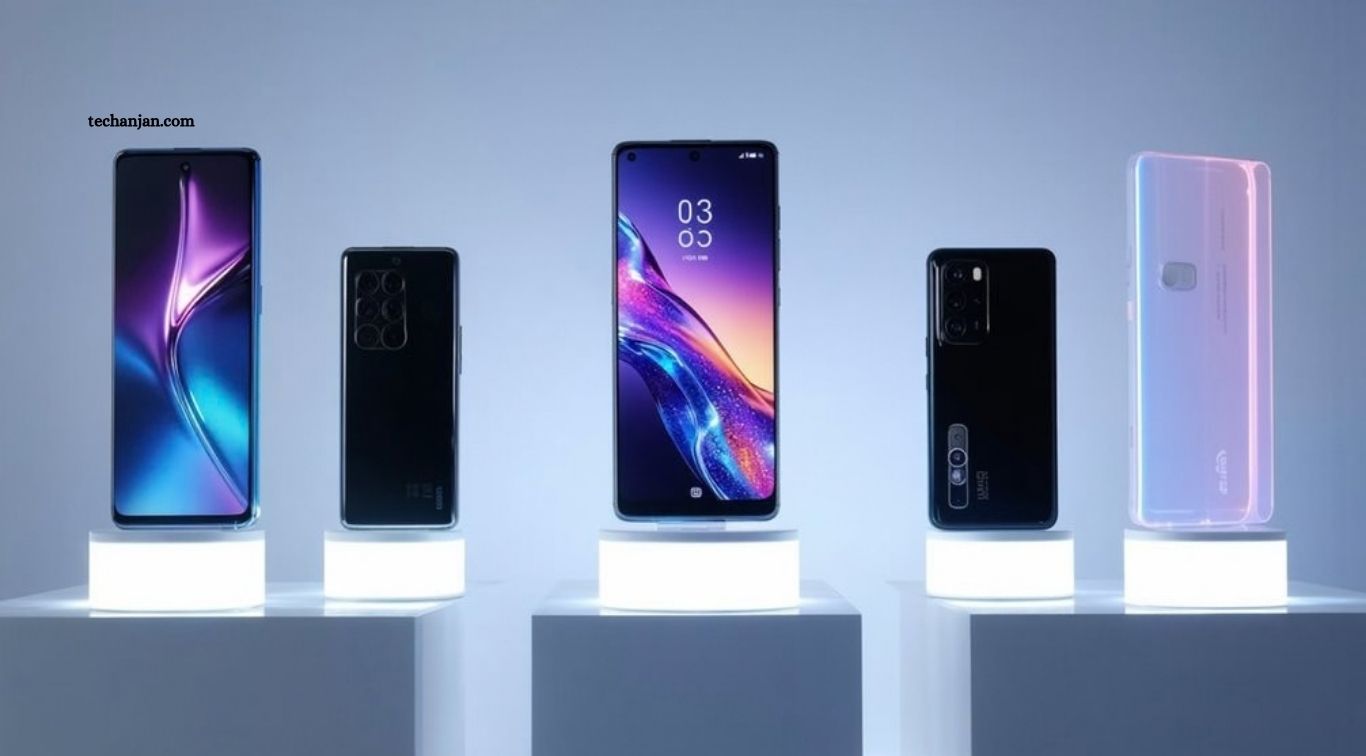
Smartphone technology continues to evolve rapidly, bringing new features that improve performance, photography, connectivity, battery life, security, and everyday convenience. Modern smartphones are becoming more powerful while offering smarter software and increasingly advanced hardware.
The latest smartphone innovations are not limited to faster processors or higher-resolution cameras. Artificial intelligence, foldable displays, satellite connectivity, advanced charging, improved durability, and on-device processing are changing how people use mobile devices every day.
Read More: Best Laptops for Work, Gaming, and Study
Artificial Intelligence in Smartphones
Artificial intelligence is becoming one of the most important smartphone innovations. Modern devices can use AI for photography, voice assistance, translation, text editing, image processing, search, personalization, and productivity features.
On-device AI can also improve privacy and responsiveness by processing certain tasks directly on the smartphone. As mobile processors become more capable, AI features are expected to become more useful across everyday applications and services.
Advanced Smartphone Cameras
Smartphone cameras continue to improve through better sensors, computational photography, image stabilization, and advanced image processing. Even compact mobile devices can now produce detailed photos in challenging lighting conditions.
AI-powered photography can recognize scenes, improve exposure, reduce noise, enhance portraits, and optimize images automatically. These improvements make smartphones increasingly useful for casual photographers, content creators, travelers, and social media users.
Foldable Smartphone Displays
Foldable smartphones have introduced a different approach to mobile device design. Flexible displays allow some phones to transform between compact smartphone formats and larger screen experiences without requiring a traditional tablet.
Newer foldable designs are becoming thinner, more durable, and more practical for everyday use. Manufacturers continue working on stronger hinges, improved displays, reduced screen creasing, and better software experiences for flexible form factors.
Faster Mobile Processors
Smartphone processors continue to become more powerful and efficient. Newer chipsets can improve application performance, gaming, photography, AI processing, multitasking, and overall system responsiveness.
Modern processors also focus heavily on energy efficiency. Better performance per watt can help smartphones deliver powerful experiences while managing heat and battery consumption more effectively.
On-Device AI Processing
Smartphones are increasingly capable of running AI tasks directly on the device. Dedicated processing components can handle certain AI workloads without sending all information to remote servers.
On-device processing can improve response times and potentially provide additional privacy benefits for supported tasks. It also enables features such as real-time translation, intelligent photo editing, voice processing, and personalized assistance.
Better Battery Technology
Battery technology remains an important area of smartphone innovation. Manufacturers are exploring improved battery materials, energy-efficient processors, advanced power management, and faster charging technologies to provide longer-lasting devices.
Improved battery management can also help users get more value from each charge. Software can intelligently control background activity, screen behavior, and power consumption according to usage patterns.
Faster Charging
Fast charging allows users to restore significant battery capacity in a relatively short period. This is particularly useful for people who rely heavily on smartphones throughout the day.
Charging technology continues to improve through higher power delivery, better thermal management, and charging optimization. However, users should also consider battery health features designed to reduce long-term battery degradation.
Satellite Connectivity
Satellite connectivity is becoming an important feature in some smartphones, particularly for emergency communication and areas with limited cellular coverage. This technology can provide communication options when traditional mobile networks are unavailable.
Satellite features may be especially valuable for travelers, hikers, outdoor enthusiasts, and people in remote areas. Availability and functionality vary by device, service provider, and region.
Improved Smartphone Displays
Smartphone displays are becoming brighter, smoother, and more energy-efficient. High refresh rates can make scrolling and animations feel more fluid, while improved brightness can make screens easier to view outdoors.
Display technology is also advancing through better color accuracy, adaptive refresh rates, improved power efficiency, and stronger protective materials. These developments enhance gaming, streaming, photography, browsing, and everyday smartphone use.
Better Durability
Modern smartphones are increasingly designed to withstand everyday wear and environmental exposure. Improved protective glass, stronger frames, water resistance, and dust protection can help devices survive common accidents and demanding conditions.
Durability is particularly important because smartphones are frequently carried, dropped, exposed to moisture, and used outdoors. Stronger materials can extend device usability and reduce the need for repairs or replacement.
Advanced Smartphone Security
Smartphone security continues to improve through biometric authentication, secure hardware, encryption, privacy controls, and improved software protection. Fingerprint sensors and facial recognition can provide convenient ways to protect personal information.
Modern smartphones also offer stronger controls over application permissions and access to sensitive information. Regular software updates remain essential because they can address security vulnerabilities and improve device protection.
Smarter Smartphone Software
Smartphone operating systems are becoming more intelligent and personalized. Software can recommend actions, organize information, automate routines, improve accessibility, and adapt certain experiences according to user behavior.
AI-powered software features are also making smartphones more helpful for productivity. Users can receive assistance with writing, summarizing information, managing tasks, searching content, and completing everyday digital activities.
Enhanced Gaming Performance
Mobile gaming continues to benefit from powerful processors, advanced graphics capabilities, high-refresh-rate displays, and improved cooling systems. Smartphones can now support demanding games with detailed graphics and smoother gameplay.
Gaming-focused features may include improved touch response, performance modes, better thermal control, and specialized gaming software. These technologies are helping smartphones compete more effectively with dedicated portable gaming devices.
Improved Connectivity
Modern smartphones support increasingly advanced wireless technologies, including faster cellular networks, Wi-Fi improvements, Bluetooth advancements, and other connectivity standards. Better connectivity can improve downloads, streaming, online gaming, video calls, and cloud services.
Reliable wireless performance is becoming more important as smartphones handle more cloud-based applications and connected devices. Improved connectivity also supports the growing ecosystem of smart accessories and digital services.
Smarter Voice Features
Voice technology is becoming more natural and capable on modern smartphones. Improved microphones, AI processing, speech recognition, and language models can make voice commands more useful for communication and productivity.
Voice features can help users write messages, search information, translate languages, manage tasks, and interact with applications. Continued improvements may make conversational smartphone interfaces increasingly common.
Privacy-Focused Features
Privacy is becoming a major consideration in smartphone development. Modern devices provide controls that allow users to manage application permissions, location access, camera access, microphone access, and personal information.
Hardware-based security and on-device processing can also help protect sensitive information. Users should regularly review privacy settings and understand which applications have access to important device features.
Eco-Friendly Smartphone Design
Sustainability is influencing smartphone manufacturing and product design. Some manufacturers are focusing on recycled materials, energy efficiency, longer software support, repairability, and packaging improvements.
Longer device support can reduce electronic waste by allowing users to keep smartphones for more years. Repair-friendly designs and replaceable components can also contribute to more sustainable device ownership.
Smartphone Photography for Creators
Smartphones are increasingly becoming powerful tools for content creators. Advanced cameras, stabilization, high-quality video recording, editing tools, and fast processors allow users to create professional-looking content without dedicated equipment.
AI editing features can simplify tasks such as removing unwanted objects, improving lighting, generating effects, and organizing media. These capabilities make smartphones useful for creators working across social media, video platforms, and digital marketing.
Future Smartphone Innovations
Future smartphones are likely to become even more intelligent, efficient, connected, and adaptable. Improvements in AI, battery technology, displays, cameras, processors, connectivity, and materials could create new mobile experiences.
The smartphone may increasingly act as a central hub for personal productivity, entertainment, communication, health tracking, smart home control, and digital services. Innovation will likely focus on making these experiences more seamless while improving privacy and efficiency.
Choosing a Smartphone With New Features
New technology does not automatically mean every feature is necessary for every user. Buyers should focus on the innovations that provide practical value based on their daily activities, budget, preferred applications, and long-term requirements.
Consider camera quality, battery performance, processing power, display technology, software support, security, connectivity, and durability before choosing a smartphone. A balanced device can provide a better experience than one that focuses heavily on a single headline feature.
Frequently Asked Questions
What are the latest smartphone innovations?
AI features, advanced cameras, foldable displays, faster processors, improved batteries, satellite connectivity, and stronger security are major innovations.
How is AI improving smartphones?
AI enhances photography, voice features, translation, productivity, personalization, security, and other everyday smartphone functions.
Are foldable smartphones worth buying?
Foldable smartphones can be useful for users who want larger displays and flexible designs, depending on their budget and needs.
How are smartphone cameras improving?
Better sensors, image stabilization, computational photography, AI processing, and advanced video features are improving mobile photography.
Why is fast charging important?
Fast charging reduces waiting time and allows users to quickly restore battery power during busy days.
How can I choose a smartphone with the latest features?
Compare AI capabilities, camera quality, battery life, processor performance, display, connectivity, security, durability, and software support.
Conclusion
The latest smartphone innovations are transforming mobile devices through artificial intelligence, improved cameras, foldable displays, faster processors, better batteries, advanced connectivity, stronger security, and smarter software. These technologies are making smartphones more capable and versatile than ever. As innovation continues, users can expect smartphones to become increasingly intelligent and personalized.

1 Comment
Pingback: Technology Mistakes That Could Cost You Money - TechAnjan